
Bobby Bragan Youth Foundation Scholarship
Bobby Bragan Youth Foundation Scholarship - Zooplankton, the heterotrophic organisms drifting in aquatic environments, can be classified based on their size. Zooplankton include microscopic animals (krill, sea snails, pelagic worms, etc.), the young of larger invertebrates and fish, and weak swimmers like jellyfish. Is zooplankton a plant or animal? Zooplankton are small, often microscopic, heterotrophic organisms that float or drift in freshwater and marine ecosystems. Learn why they're vital for marine health! Unlike phytoplankton, they do not perform photosynthesis and rely on. Zooplankton, small floating or weakly swimming organisms that drift with water currents and, with phytoplankton, make up the planktonic food supply upon which almost all oceanic organisms. Zooplankton are found within large bodies of. Zooplanktons are animal components of planktonic communities. Zooplankton are a type of heterotrophic plankton that range from microscopic organisms to large species, such as jellyfish. Is zooplankton a plant or animal? Zooplankton are small, often microscopic, heterotrophic organisms that float or drift in freshwater and marine ecosystems. Unlike phytoplankton, they do not perform photosynthesis and rely on. Zooplanktons are animal components of planktonic communities. Explore zooplankton's role in aquatic ecosystems, behavior, diet, reproduction, and conservation status. Zooplankton, the heterotrophic organisms drifting in aquatic environments, can be classified based on their size. Learn why they're vital for marine health! Zooplankton are found within large bodies of. Zooplankton are a type of heterotrophic plankton that range from microscopic organisms to large species, such as jellyfish. Zooplankton include microscopic animals (krill, sea snails, pelagic worms, etc.), the young of larger invertebrates and fish, and weak swimmers like jellyfish. Zooplankton include microscopic animals (krill, sea snails, pelagic worms, etc.), the young of larger invertebrates and fish, and weak swimmers like jellyfish. Zooplanktons are animal components of planktonic communities. Zooplankton are small, often microscopic, heterotrophic organisms that float or drift in freshwater and marine ecosystems. Unlike phytoplankton, they do not perform photosynthesis and rely on. Zooplankton are a type of. Is zooplankton a plant or animal? Zooplankton are a type of heterotrophic plankton that range from microscopic organisms to large species, such as jellyfish. Explore zooplankton's role in aquatic ecosystems, behavior, diet, reproduction, and conservation status. Unlike phytoplankton, they do not perform photosynthesis and rely on. Zooplankton are small, often microscopic, heterotrophic organisms that float or drift in freshwater and. Zooplankton are a type of heterotrophic plankton that range from microscopic organisms to large species, such as jellyfish. Zooplanktons are animal components of planktonic communities. Zooplankton, small floating or weakly swimming organisms that drift with water currents and, with phytoplankton, make up the planktonic food supply upon which almost all oceanic organisms. Zooplankton include microscopic animals (krill, sea snails, pelagic. Zooplankton are found within large bodies of. Explore zooplankton's role in aquatic ecosystems, behavior, diet, reproduction, and conservation status. Zooplankton are small, often microscopic, heterotrophic organisms that float or drift in freshwater and marine ecosystems. Is zooplankton a plant or animal? Learn why they're vital for marine health! Zooplankton, the heterotrophic organisms drifting in aquatic environments, can be classified based on their size. Learn why they're vital for marine health! Explore zooplankton's role in aquatic ecosystems, behavior, diet, reproduction, and conservation status. Zooplankton are small, often microscopic, heterotrophic organisms that float or drift in freshwater and marine ecosystems. Zooplankton include microscopic animals (krill, sea snails, pelagic worms, etc.),. Zooplanktons are animal components of planktonic communities. Zooplankton, the heterotrophic organisms drifting in aquatic environments, can be classified based on their size. Explore zooplankton's role in aquatic ecosystems, behavior, diet, reproduction, and conservation status. Learn why they're vital for marine health! Zooplankton include microscopic animals (krill, sea snails, pelagic worms, etc.), the young of larger invertebrates and fish, and weak. Unlike phytoplankton, they do not perform photosynthesis and rely on. Learn why they're vital for marine health! Zooplanktons are animal components of planktonic communities. Zooplankton are a type of heterotrophic plankton that range from microscopic organisms to large species, such as jellyfish. Zooplankton, the heterotrophic organisms drifting in aquatic environments, can be classified based on their size. Is zooplankton a plant or animal? Zooplankton are small, often microscopic, heterotrophic organisms that float or drift in freshwater and marine ecosystems. Zooplanktons are animal components of planktonic communities. Zooplankton include microscopic animals (krill, sea snails, pelagic worms, etc.), the young of larger invertebrates and fish, and weak swimmers like jellyfish. Unlike phytoplankton, they do not perform photosynthesis and rely. Zooplankton, the heterotrophic organisms drifting in aquatic environments, can be classified based on their size. Explore zooplankton's role in aquatic ecosystems, behavior, diet, reproduction, and conservation status. Is zooplankton a plant or animal? Zooplanktons are animal components of planktonic communities. Learn why they're vital for marine health! Zooplankton are small, often microscopic, heterotrophic organisms that float or drift in freshwater and marine ecosystems. Zooplankton are found within large bodies of. Zooplankton include microscopic animals (krill, sea snails, pelagic worms, etc.), the young of larger invertebrates and fish, and weak swimmers like jellyfish. Zooplankton are a type of heterotrophic plankton that range from microscopic organisms to large species,. Learn why they're vital for marine health! Zooplankton are a type of heterotrophic plankton that range from microscopic organisms to large species, such as jellyfish. Zooplankton are small, often microscopic, heterotrophic organisms that float or drift in freshwater and marine ecosystems. Is zooplankton a plant or animal? Zooplankton include microscopic animals (krill, sea snails, pelagic worms, etc.), the young of larger invertebrates and fish, and weak swimmers like jellyfish. Zooplankton are found within large bodies of. Zooplankton, the heterotrophic organisms drifting in aquatic environments, can be classified based on their size. Zooplanktons are animal components of planktonic communities.
2020 Bobby Bragan Youth Foundation Scholarship Recipients — Bobby

Bobby Bragan Scholarship 20212025 Form Fill Out and Sign Printable

2023 Bobby Bragan Youth Foundation Scholarship Winners Announced

Scholarships — Bobby Bragan Youth Foundation

Bobby Bragan Youth Foundation
.png)
Scholarships — Bobby Bragan Youth Foundation

Scholarships — Bobby Bragan Youth Foundation
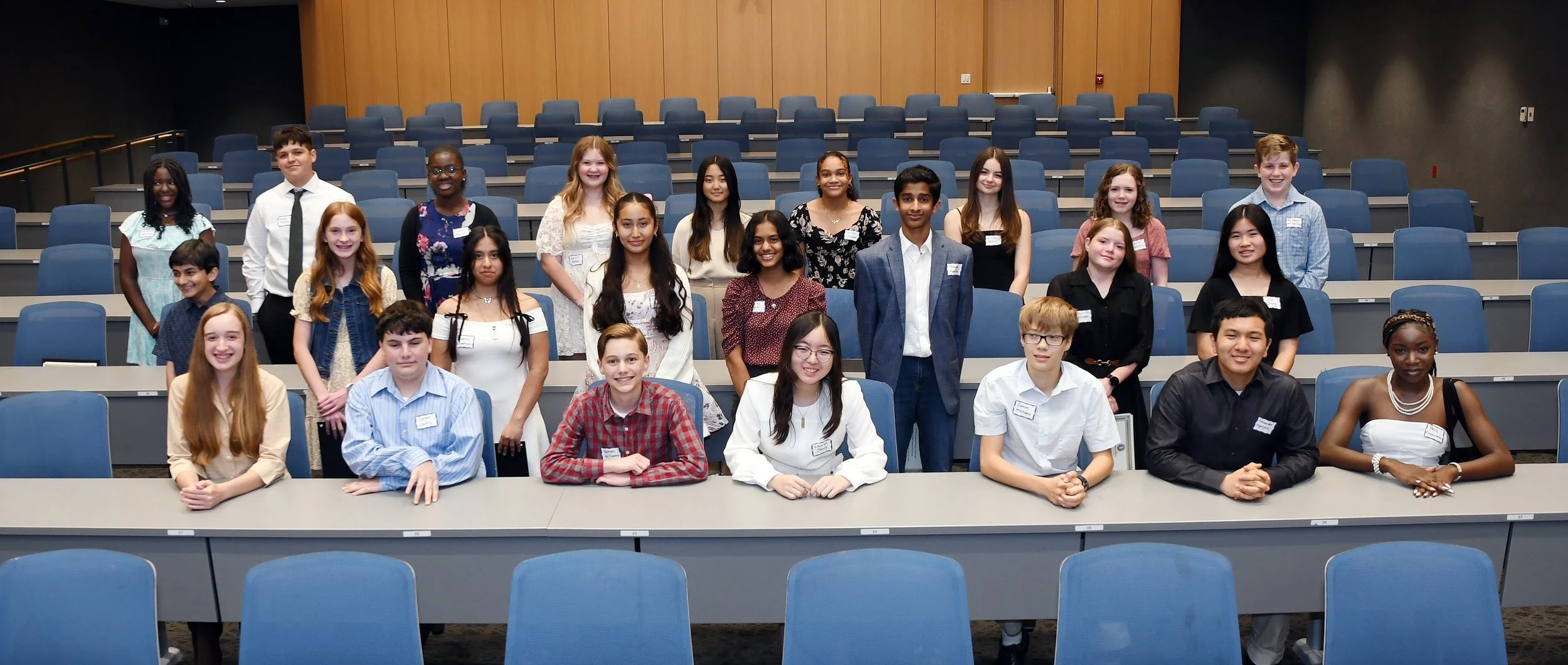
Scholarships — Bobby Bragan Youth Foundation

Loflin Middle School eighthgrader chosen for Bobby Bragan Youth

Contact Us — Bobby Bragan Youth Foundation
Explore Zooplankton's Role In Aquatic Ecosystems, Behavior, Diet, Reproduction, And Conservation Status.
Zooplankton, Small Floating Or Weakly Swimming Organisms That Drift With Water Currents And, With Phytoplankton, Make Up The Planktonic Food Supply Upon Which Almost All Oceanic Organisms.
Unlike Phytoplankton, They Do Not Perform Photosynthesis And Rely On.
Related Post: