
How To Submit Scholarship Form Online
How To Submit Scholarship Form Online - Is this different than input? I could possibly fire a $ (input [type=submit]).click () event for each button and set some variable, but that seems less elegant than some how pulling the button off of the the form on. Are there functional differences, or is it just a descriptive name for easier code reading? Is there a difference between a button with type=button vs type=submit? Is there any reason you could not separate the markup from the script ? Do ponto de vista funcional não há diferença, ambos irão submeter o formulário da mesma forma. I wanna write my own form validation javascript library and i've been looking on google how to detect if a submit button is clicked but all i found is code where you have to use onclick on. That link describes the difference between an ordinary html form with a submit button, not the difference between the angular event bindings (submit) and (ngsubmit), which is what the op. What you can have is a form in html, then submit it with the javascript. Segundo a especificação, se atributo type estiver ausente da tag , o. You can't have the javascript post request like a form submit. I am creating a page in jsp where i have a dropdown list and once the user selects a value he has to click on the go button and then the value is sent to the servlet. (as explained many times on this page). Is there a difference between a button with type=button vs type=submit? Is there any reason you could not separate the markup from the script ? I could possibly fire a $ (input [type=submit]).click () event for each button and set some variable, but that seems less elegant than some how pulling the button off of the the form on. What you can have is a form in html, then submit it with the javascript. Is this different than input? Segundo a especificação, se atributo type estiver ausente da tag , o. Learn how to prevent a form from refreshing the page upon submission using javascript techniques. Is there any reason you could not separate the markup from the script ? You can't have the javascript post request like a form submit. Is there a difference between a button with type=button vs type=submit? Learn how to prevent a form from refreshing the page upon submission using javascript techniques. That link describes the difference between an ordinary html. Is this different than input? You can't have the javascript post request like a form submit. Are there functional differences, or is it just a descriptive name for easier code reading? Learn how to prevent a form from refreshing the page upon submission using javascript techniques. I wanna write my own form validation javascript library and i've been looking on. That link describes the difference between an ordinary html form with a submit button, not the difference between the angular event bindings (submit) and (ngsubmit), which is what the op. You can't have the javascript post request like a form submit. I could possibly fire a $ (input [type=submit]).click () event for each button and set some variable, but that. Learn how to prevent a form from refreshing the page upon submission using javascript techniques. Do ponto de vista funcional não há diferença, ambos irão submeter o formulário da mesma forma. I wanna write my own form validation javascript library and i've been looking on google how to detect if a submit button is clicked but all i found is. Is there any reason you could not separate the markup from the script ? Is there a difference between a button with type=button vs type=submit? (as explained many times on this page). Are there functional differences, or is it just a descriptive name for easier code reading? Do ponto de vista funcional não há diferença, ambos irão submeter o formulário. Is this different than input? Segundo a especificação, se atributo type estiver ausente da tag , o. Why do you want to do this ? Do ponto de vista funcional não há diferença, ambos irão submeter o formulário da mesma forma. You can't have the javascript post request like a form submit. Is this different than input? That link describes the difference between an ordinary html form with a submit button, not the difference between the angular event bindings (submit) and (ngsubmit), which is what the op. I could possibly fire a $ (input [type=submit]).click () event for each button and set some variable, but that seems less elegant than some how. (as explained many times on this page). Why do you want to do this ? Do ponto de vista funcional não há diferença, ambos irão submeter o formulário da mesma forma. Is there any reason you could not separate the markup from the script ? Segundo a especificação, se atributo type estiver ausente da tag , o. Segundo a especificação, se atributo type estiver ausente da tag , o. That link describes the difference between an ordinary html form with a submit button, not the difference between the angular event bindings (submit) and (ngsubmit), which is what the op. Is there any reason you could not separate the markup from the script ? Are there functional differences,. I could possibly fire a $ (input [type=submit]).click () event for each button and set some variable, but that seems less elegant than some how pulling the button off of the the form on. (as explained many times on this page). That link describes the difference between an ordinary html form with a submit button, not the difference between the. Is there a difference between a button with type=button vs type=submit? Is there any reason you could not separate the markup from the script ? What you can have is a form in html, then submit it with the javascript. Is this different than input? Segundo a especificação, se atributo type estiver ausente da tag , o. You can't have the javascript post request like a form submit. I wanna write my own form validation javascript library and i've been looking on google how to detect if a submit button is clicked but all i found is code where you have to use onclick on. Are there functional differences, or is it just a descriptive name for easier code reading? Why do you want to do this ? I could possibly fire a $ (input [type=submit]).click () event for each button and set some variable, but that seems less elegant than some how pulling the button off of the the form on. I am creating a page in jsp where i have a dropdown list and once the user selects a value he has to click on the go button and then the value is sent to the servlet. (as explained many times on this page).
Best Way to Fill and Submit the Scholarship applicationEasy Steps With
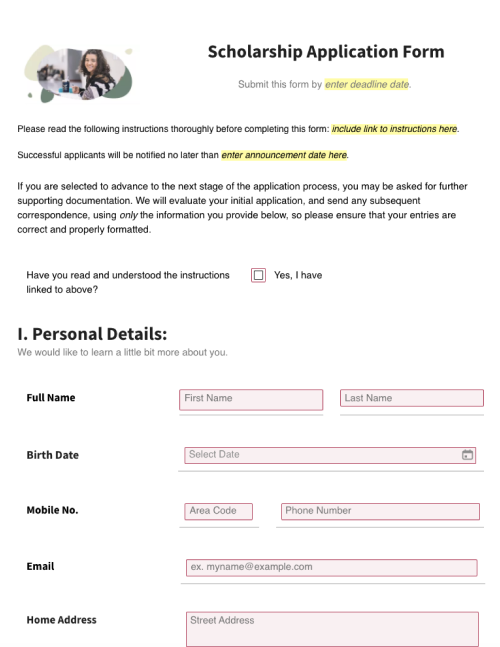
2022 Free Scholarship Application Form Template Fill Out, Edit, Sign
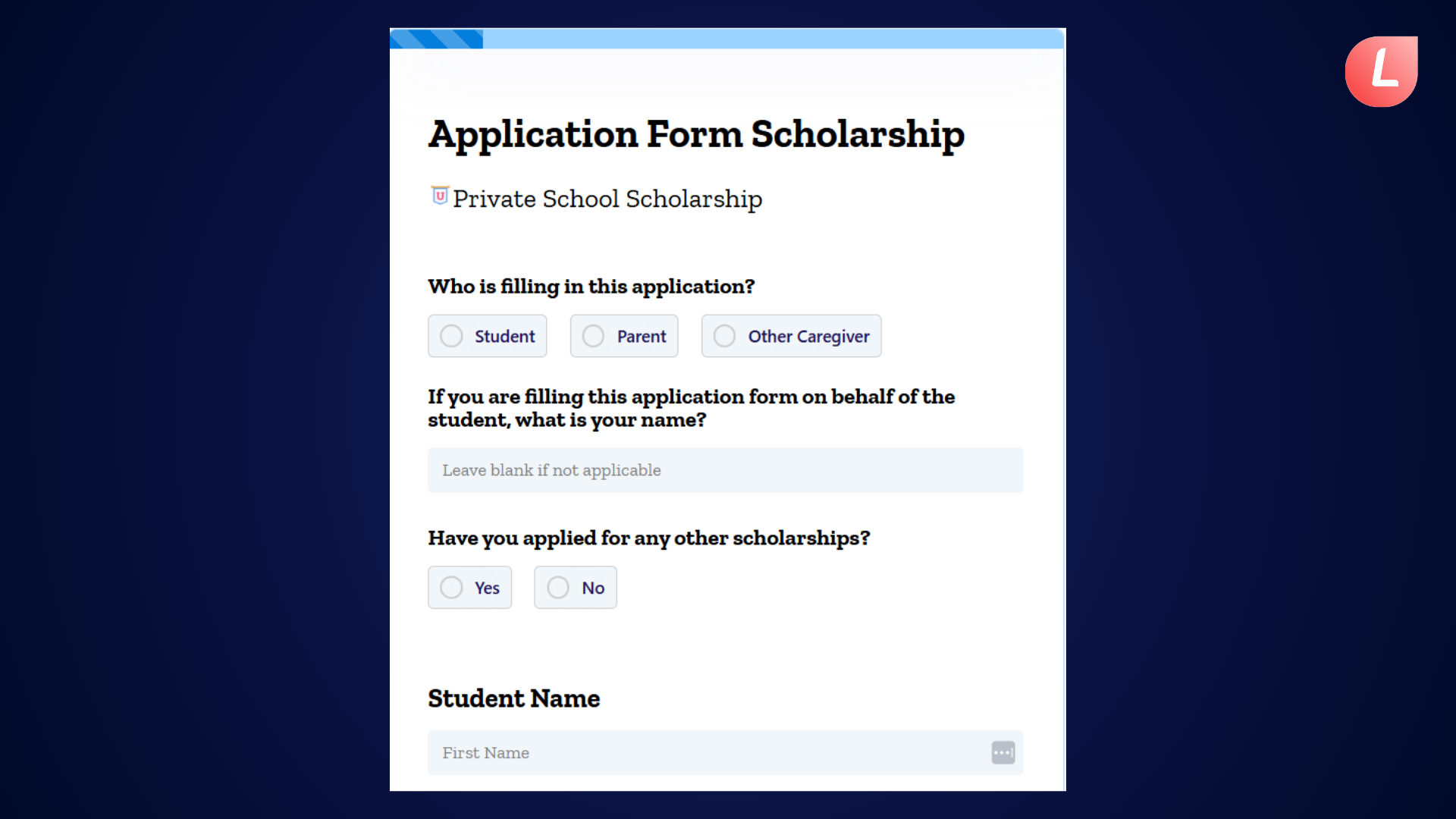
Scholar Application Form Guide How to Fill Scholarship Forms

How to Make a Standout Online Scholarship Application Form The
![Free Printable Scholarship Application Templates [PDF, Word]](https://www.typecalendar.com/wp-content/uploads/2023/05/online-scholarship-application.jpg?gid=474)
Free Printable Scholarship Application Templates [PDF, Word]
![Free Printable Scholarship Application Templates [PDF, Word]](https://www.typecalendar.com/wp-content/uploads/2023/05/Ready-to-use-Scholarship-Application-Templates.jpg)
Free Printable Scholarship Application Templates [PDF, Word]

Sample Scholarship Application Form Template in Word, Pages, PDF
![Free Printable Scholarship Application Templates [PDF, Word]](https://www.typecalendar.com/wp-content/uploads/2023/05/free-scholarship-application.jpg)
Free Printable Scholarship Application Templates [PDF, Word]
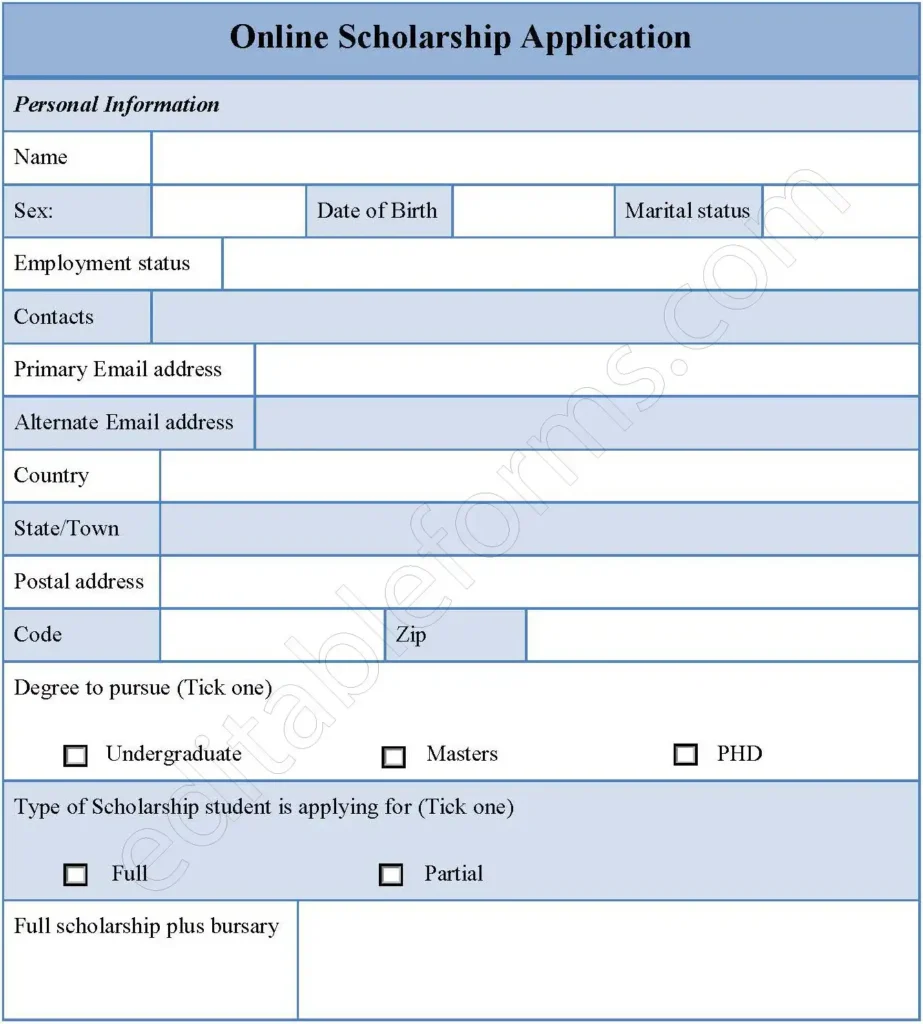
Online Scholarship Application Editable PDF Forms
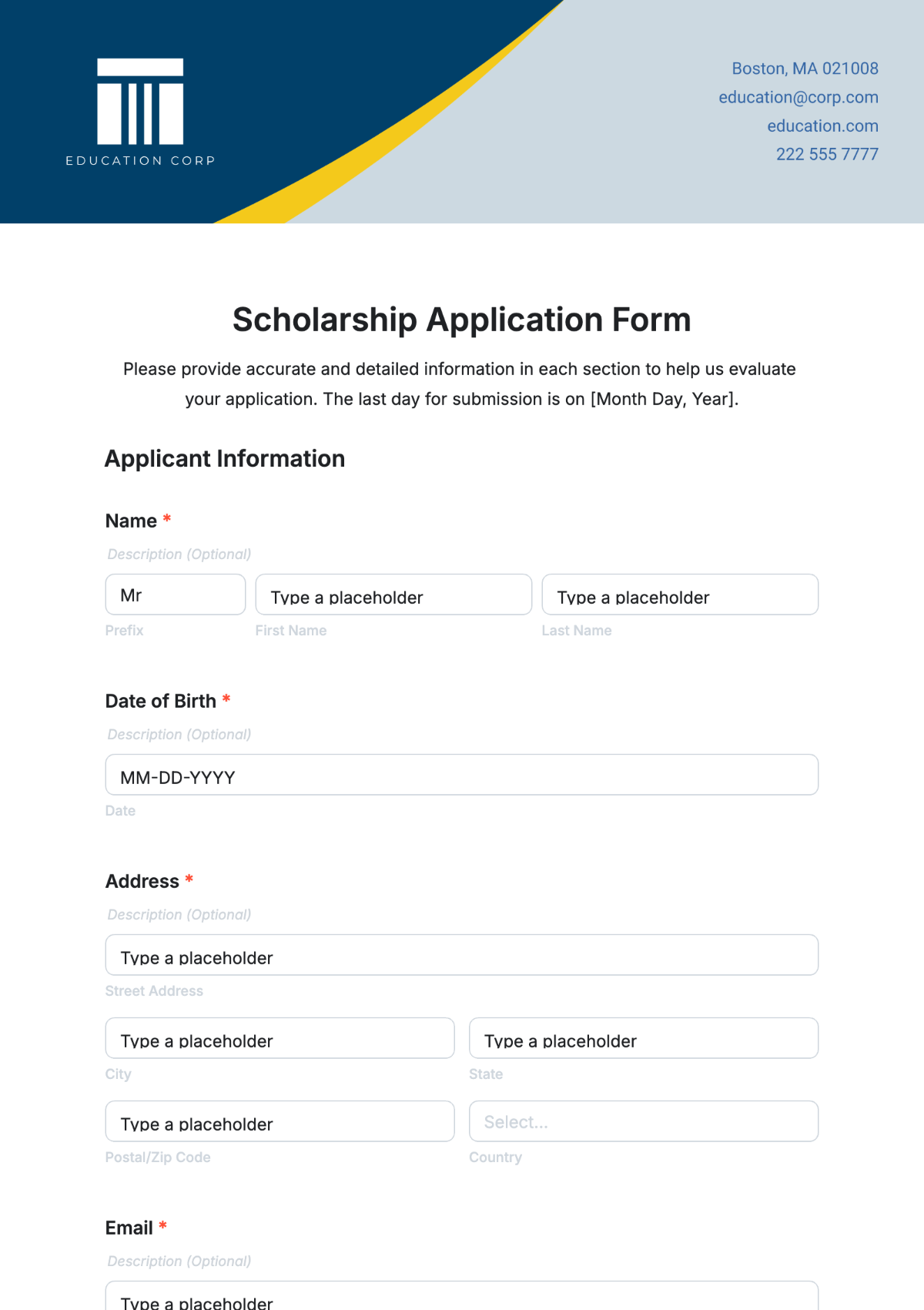
Free Scholarship Application Form Template to Edit Online
That Link Describes The Difference Between An Ordinary Html Form With A Submit Button, Not The Difference Between The Angular Event Bindings (Submit) And (Ngsubmit), Which Is What The Op.
Do Ponto De Vista Funcional Não Há Diferença, Ambos Irão Submeter O Formulário Da Mesma Forma.
It Is A Good Practice To Put Your Code In Separate Javascript File.
Learn How To Prevent A Form From Refreshing The Page Upon Submission Using Javascript Techniques.
Related Post: