
What To Include In Scholarship Application
What To Include In Scholarship Application - Include(i => i.modules.select(s => s.chapters) && i.lab) ^^^ ^ ^ list bool operator other list update to learn more, download linqpad and look through the samples. I am using visual studio code in my c++ project. If not (supported), or if the search fails, the implementation behaves. It is preprocessed and injected. Include is used to extract use case fragments that are duplicated in multiple use cases. For example, the method below will return applicationservers with the included. But what if i need to go two levels deep? It is unaware of any systemverilog syntax. I didn't find any c/c++ text book that explains this usage in detail. In formal project, i always get confused in dealing. But what if i need to go two levels deep? I am responsible for the support of a large application full of code smells. It is unaware of any systemverilog syntax. I got the following error: Is there any material about how to use #include correctly? As the title suggest i am looking for a way to do a where clause in combination with an include. For example, the method below will return applicationservers with the included. 0 i propose to simply include an all.h in the project that includes all the headers needed, and every other.h file calls all.h and every.c/.cpp file only includes its own header. I am using visual studio code in my c++ project. Library creators should put their headers in a folder and have clients include those files using the relative path #include the advantages of the angular form listed. As the title suggest i am looking for a way to do a where clause in combination with an include. Is there any material about how to use #include correctly? If not (supported), or if the search fails, the implementation behaves. For example, the method below will return applicationservers with the included. Library creators should put their headers in a. For example, the method below will return applicationservers with the included. Include is used to extract use case fragments that are duplicated in multiple use cases. The included use case cannot stand alone and the original use case is not complete. If the #include file form is used, the implementation first looks for a file of the given name, if. Include(i => i.modules.select(s => s.chapters) && i.lab) ^^^ ^ ^ list bool operator other list update to learn more, download linqpad and look through the samples. If not (supported), or if the search fails, the implementation behaves. The included use case cannot stand alone and the original use case is not complete. Library creators should put their headers in a. The included use case cannot stand alone and the original use case is not complete. I am responsible for the support of a large application full of code smells. For example, the method below will return applicationservers with the included. As the title suggest i am looking for a way to do a where clause in combination with an include.. If not (supported), or if the search fails, the implementation behaves. I am using visual studio code in my c++ project. 0 i propose to simply include an all.h in the project that includes all the headers needed, and every other.h file calls all.h and every.c/.cpp file only includes its own header. For example, the method below will return applicationservers. I didn't find any c/c++ text book that explains this usage in detail. But what if i need to go two levels deep? It is unaware of any systemverilog syntax. Is there any material about how to use #include correctly? The include() method works quite well for lists on objects. Include(i => i.modules.select(s => s.chapters) && i.lab) ^^^ ^ ^ list bool operator other list update to learn more, download linqpad and look through the samples. I am responsible for the support of a large application full of code smells. The include() method works quite well for lists on objects. As the title suggest i am looking for a way. Include(i => i.modules.select(s => s.chapters) && i.lab) ^^^ ^ ^ list bool operator other list update to learn more, download linqpad and look through the samples. The included use case cannot stand alone and the original use case is not complete. It is preprocessed and injected. But what if i need to go two levels deep? I installed microsoft c/c++. 0 i propose to simply include an all.h in the project that includes all the headers needed, and every other.h file calls all.h and every.c/.cpp file only includes its own header. I installed microsoft c/c++ extension for vs code. Include is used to extract use case fragments that are duplicated in multiple use cases. It is preprocessed and injected. In. Is there any material about how to use #include correctly? For example, the method below will return applicationservers with the included. I got the following error: If the #include file form is used, the implementation first looks for a file of the given name, if supported. But what if i need to go two levels deep? If the #include file form is used, the implementation first looks for a file of the given name, if supported. Include(i => i.modules.select(s => s.chapters) && i.lab) ^^^ ^ ^ list bool operator other list update to learn more, download linqpad and look through the samples. I didn't find any c/c++ text book that explains this usage in detail. I installed microsoft c/c++ extension for vs code. But what if i need to go two levels deep? 0 i propose to simply include an all.h in the project that includes all the headers needed, and every other.h file calls all.h and every.c/.cpp file only includes its own header. Library creators should put their headers in a folder and have clients include those files using the relative path #include the advantages of the angular form listed. Include is used to extract use case fragments that are duplicated in multiple use cases. If not (supported), or if the search fails, the implementation behaves. It is unaware of any systemverilog syntax. I am using visual studio code in my c++ project. The included use case cannot stand alone and the original use case is not complete. The include() method works quite well for lists on objects. As the title suggest i am looking for a way to do a where clause in combination with an include. Is there any material about how to use #include correctly? In formal project, i always get confused in dealing.
Free Scholarship Application Letter Templates, Editable and Printable

Application For Scholarship Template
![Free Printable Scholarship Application Templates [PDF, Word]](https://www.typecalendar.com/wp-content/uploads/2023/05/free-scholarship-application.jpg)
Free Printable Scholarship Application Templates [PDF, Word]
![Free Printable Scholarship Application Templates [PDF, Word]](https://www.typecalendar.com/wp-content/uploads/2023/05/Accessible-Scholarship-Application-Templates.jpg?gid=474)
Free Printable Scholarship Application Templates [PDF, Word]

Free College Scholarship Application Template to Edit Online
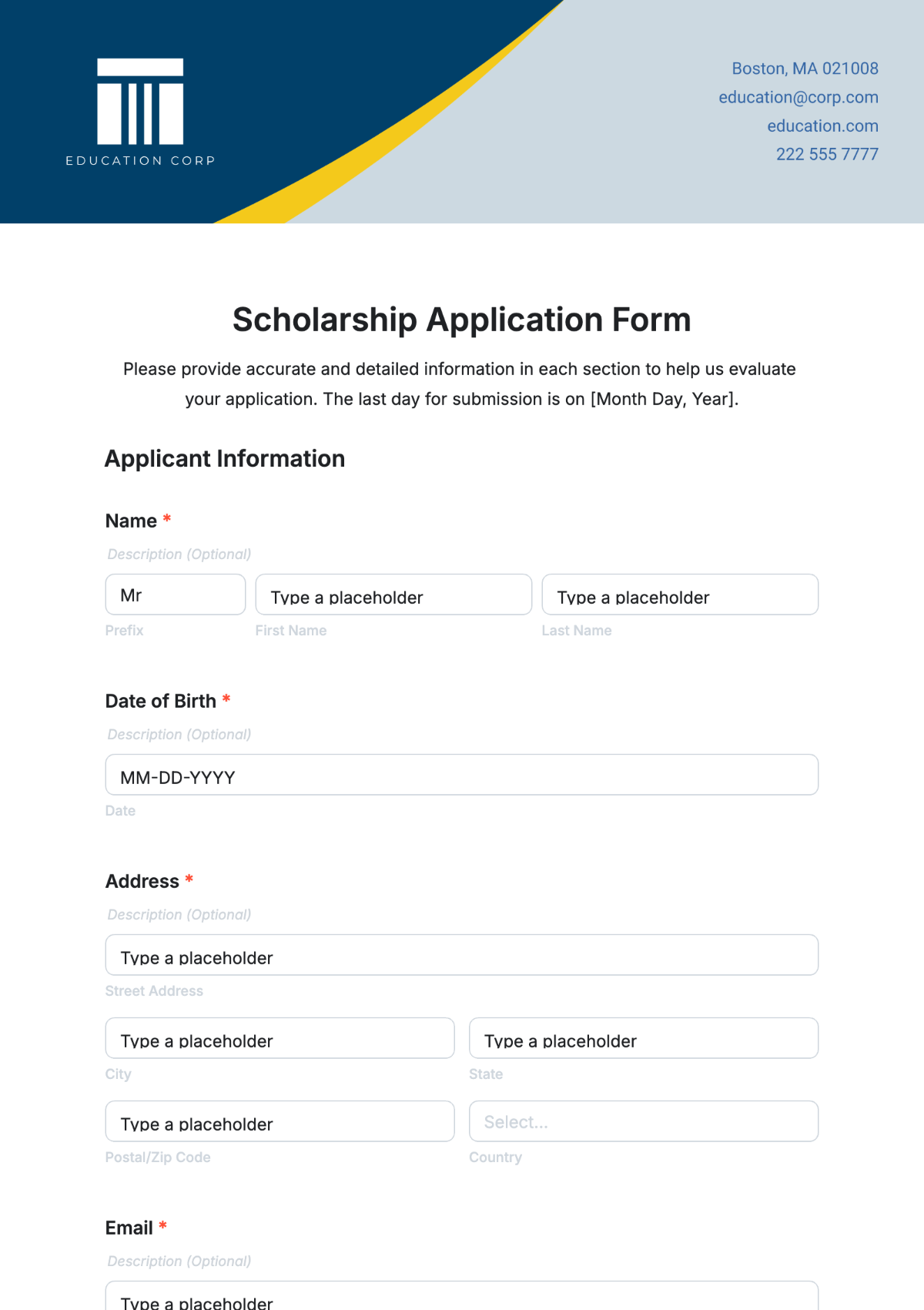
Free Scholarship Application Form Template to Edit Online
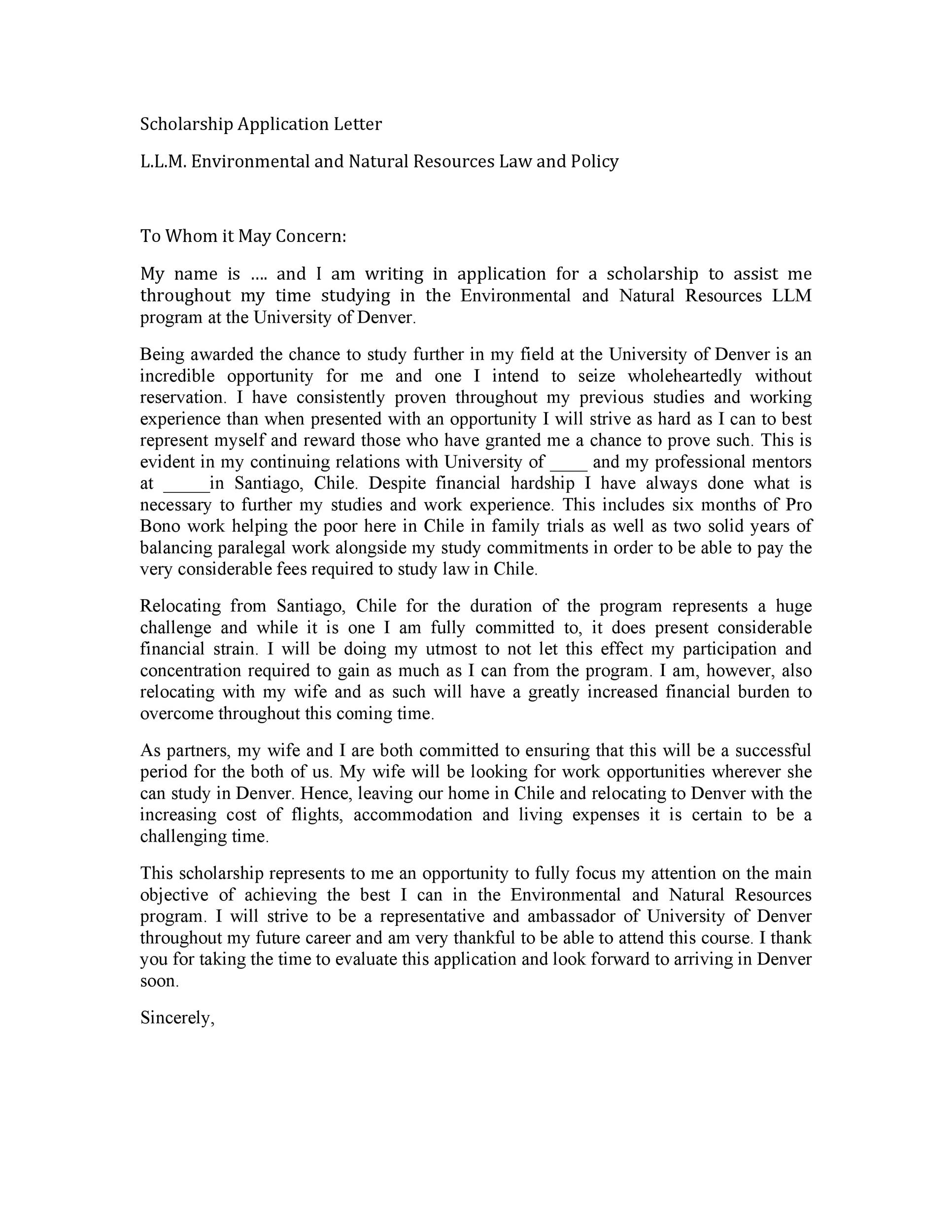
50 Free Scholarship Application Templates & Forms ᐅ TemplateLab
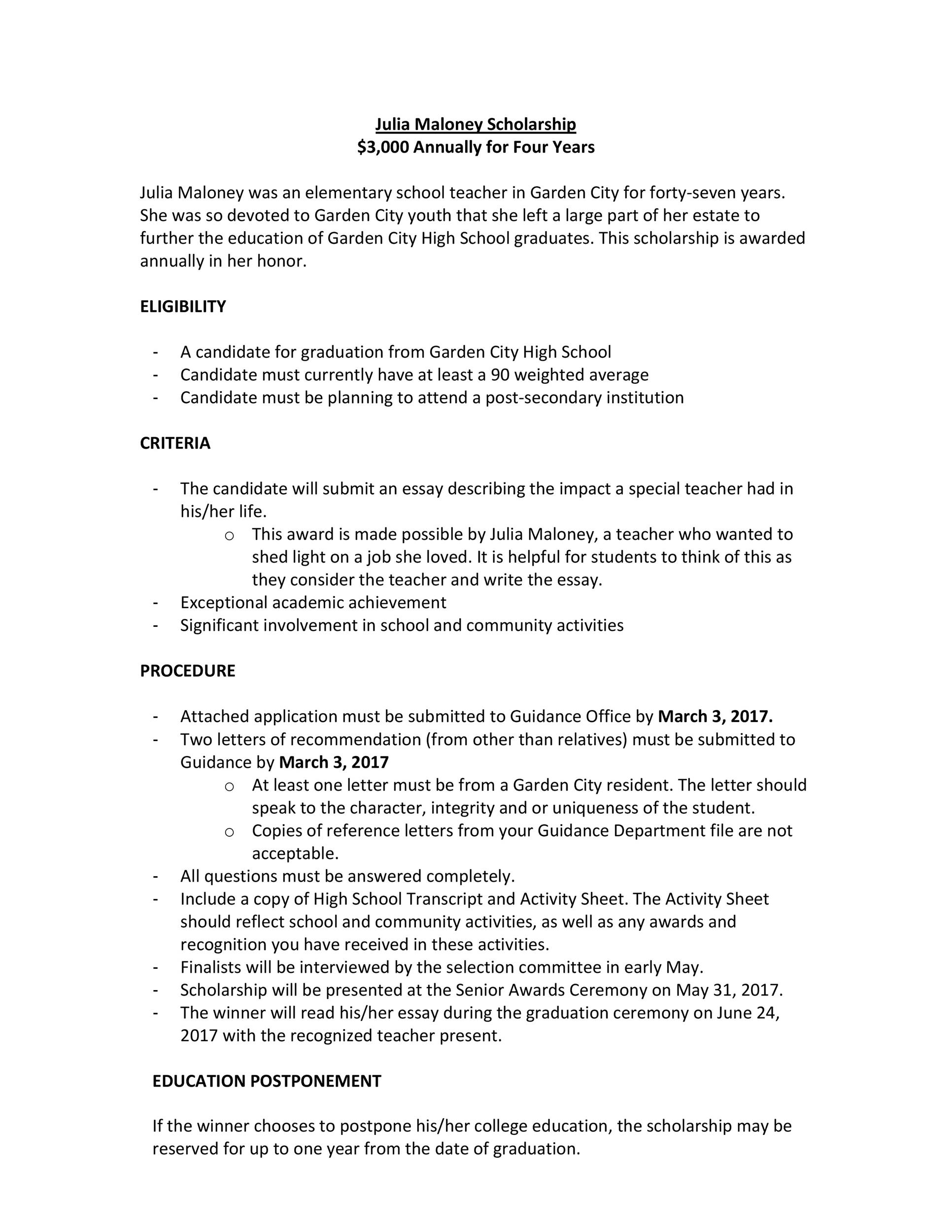
50 Free Scholarship Application Templates & Forms ᐅ TemplateLab
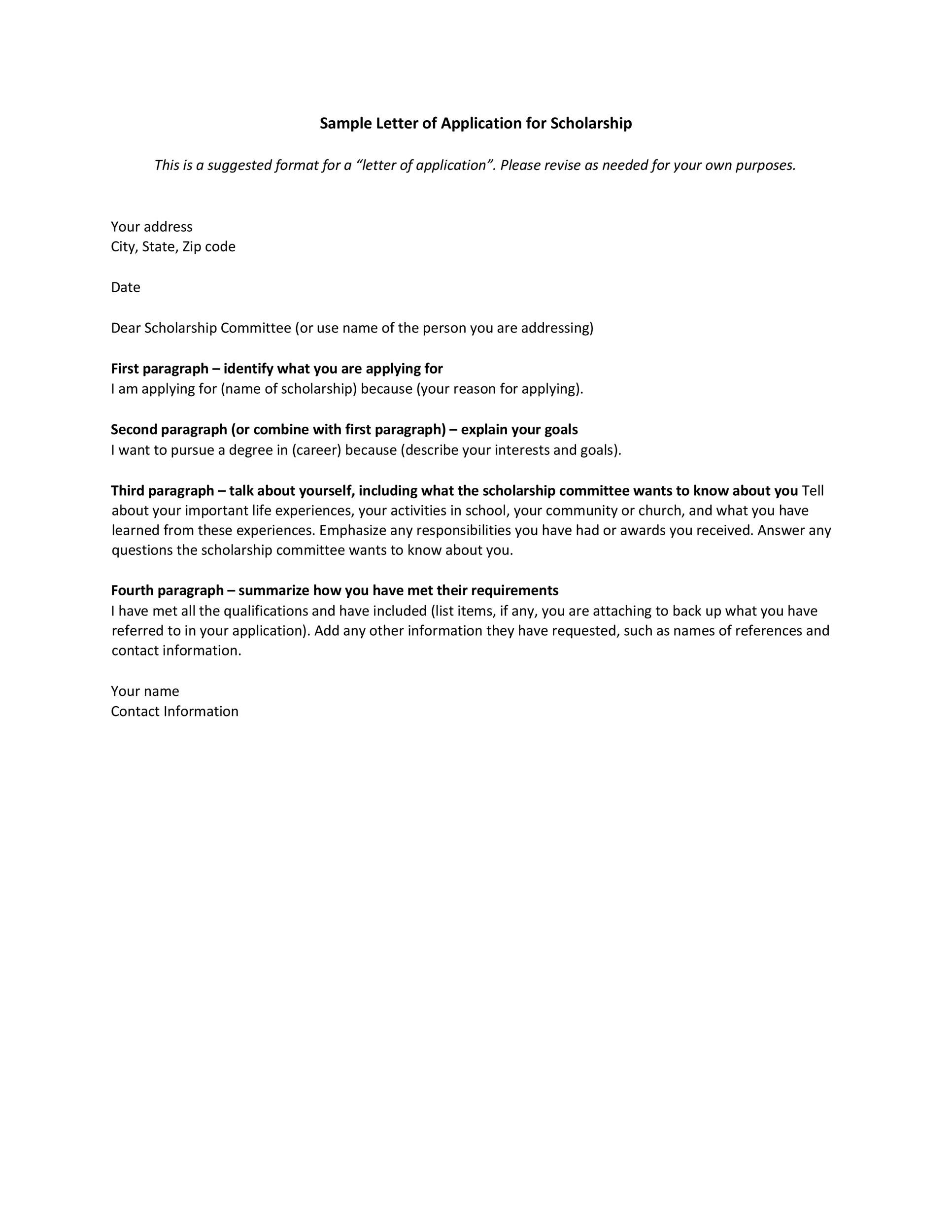
50 Free Scholarship Application Templates & Forms ᐅ TemplateLab
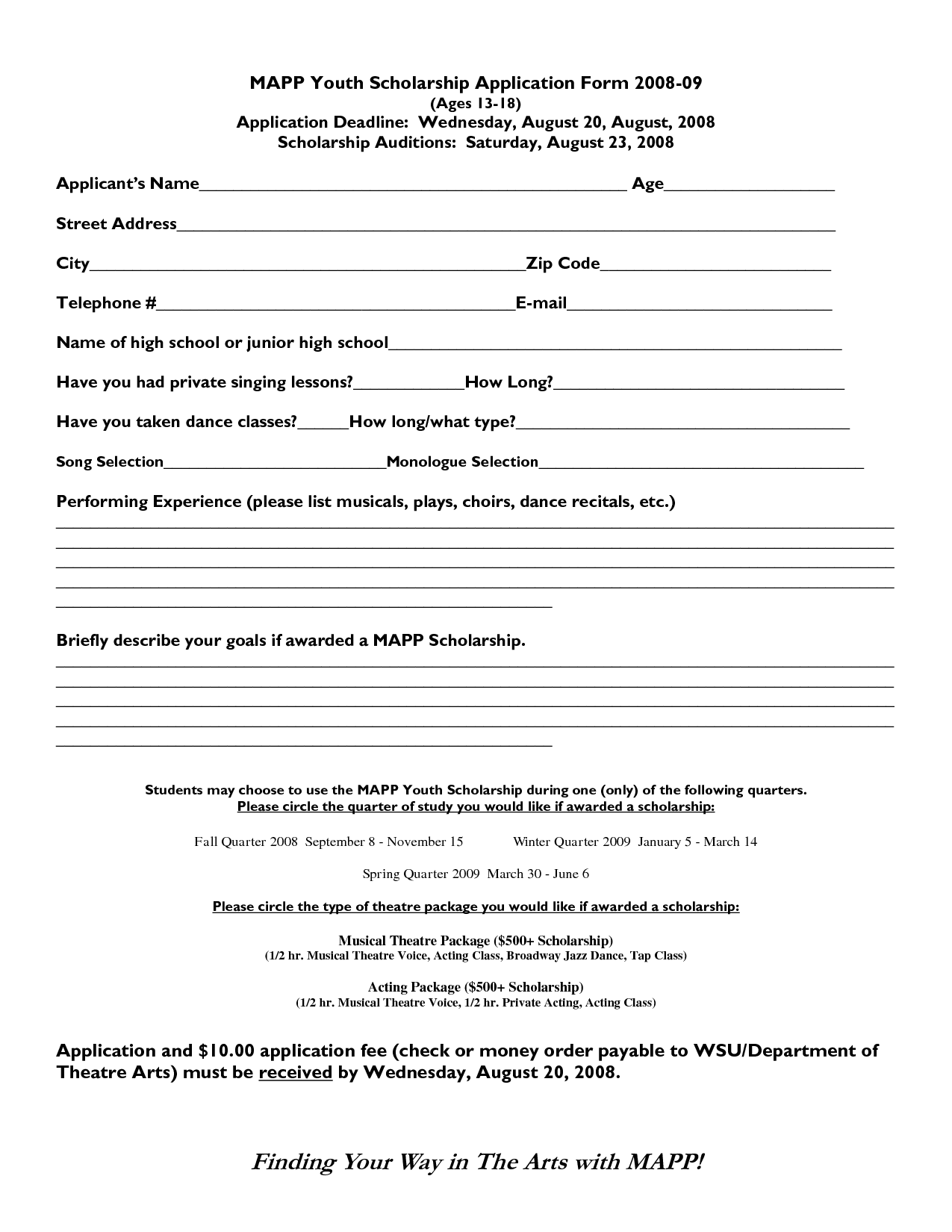
Application For Scholarship Template
I Am Responsible For The Support Of A Large Application Full Of Code Smells.
It Is Preprocessed And Injected.
For Example, The Method Below Will Return Applicationservers With The Included.
I Got The Following Error:
Related Post: